Featured Projects
These examples highlight how CCBR collaborates with CCR investigators from study design through analysis, interpretation, figure development, and publication. Each project combines scientific context with representative bioinformatics outputs that contributed to the final manuscript. To start a new collaboration, Request a Project or contact nciccbr@mail.nih.gov to learn more about working with CCBR.
High levels of endogenous omega-3 fatty acids promote dendritic cell antigen presentation and improve dendritic cell-based cancer vaccine efficacy in mice
This study investigated how endogenous omega-3 fatty acids influence dendritic cell function and whether that biology can improve dendritic cell-based cancer vaccine responses. The analysis connected immunologic phenotypes with transcriptomic signatures that helped explain how lipid-state changes shape antigen presentation and anti-tumor activity.
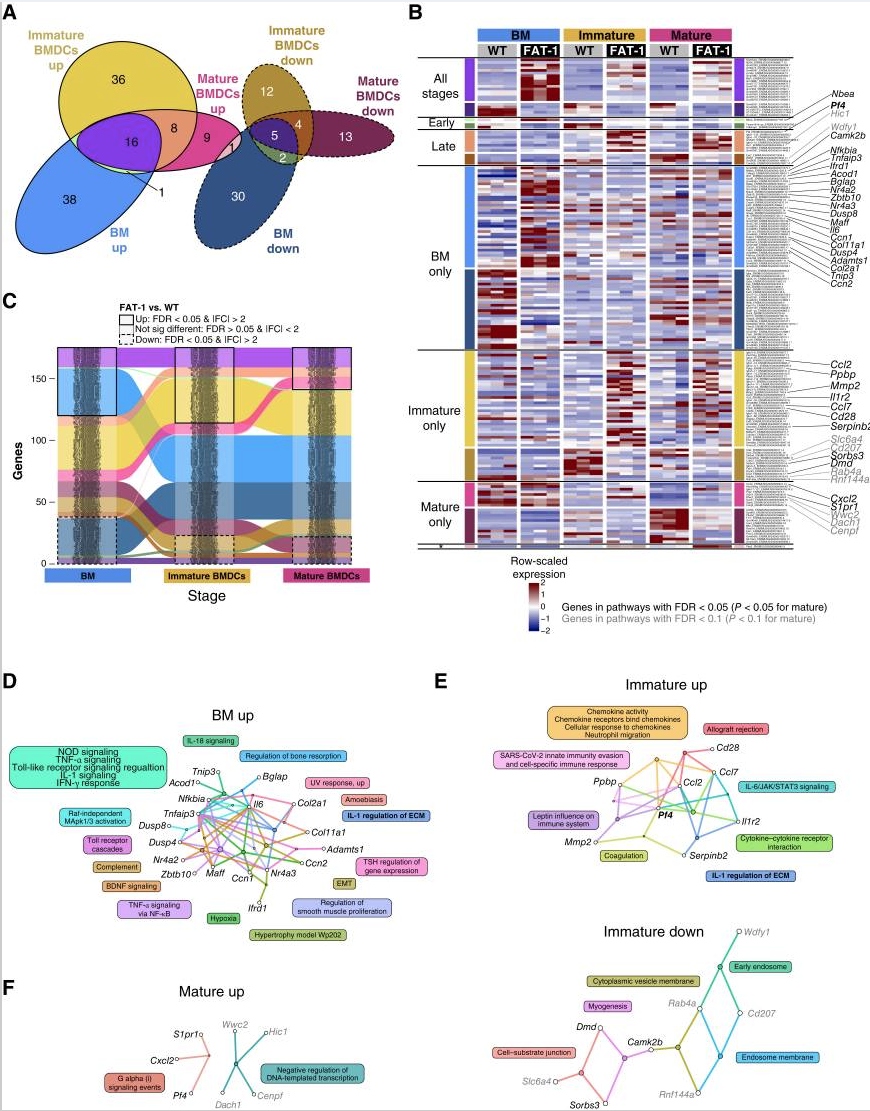
- RNA-seq processing and differential-expression analysis of wild-type and FAT-1 dendritic cells across immature and mature states.
- Stage-specific gene-expression summaries, heatmaps, and pathway/network interpretation related to antigen presentation.
- Figure preparation linking transcriptomic changes with vaccine efficacy outcomes.
A pan-cancer comparative analysis of the cancer genome atlas transcriptomic TIL-immune signatures
This study performed a broad comparison of tumor-infiltrating lymphocyte immune signatures across cancer types using transcriptomic data from TCGA. The goal was to identify how immune-infiltration patterns vary across diseases and to provide a more systematic framework for interpreting TIL-related biology in cancer cohorts.
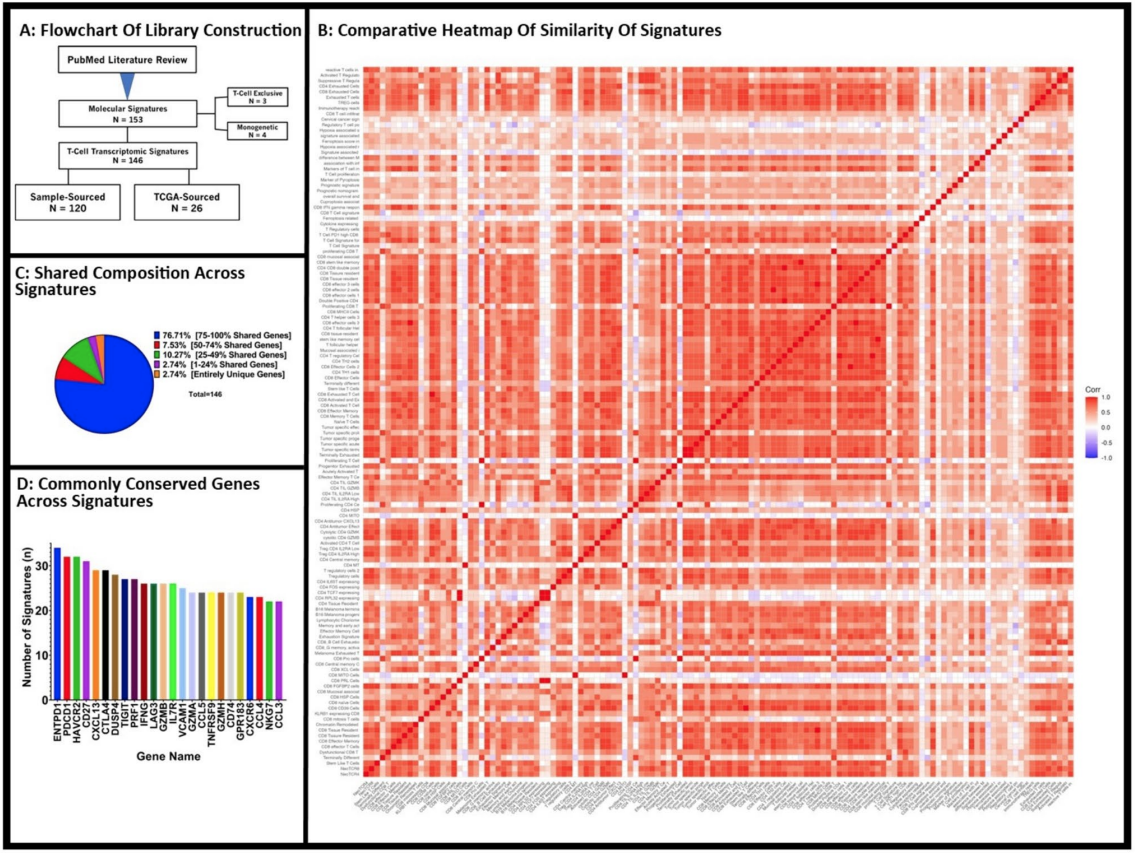
- Large-scale processing of TCGA recount3 bulk RNA-seq data across 33 cancer types.
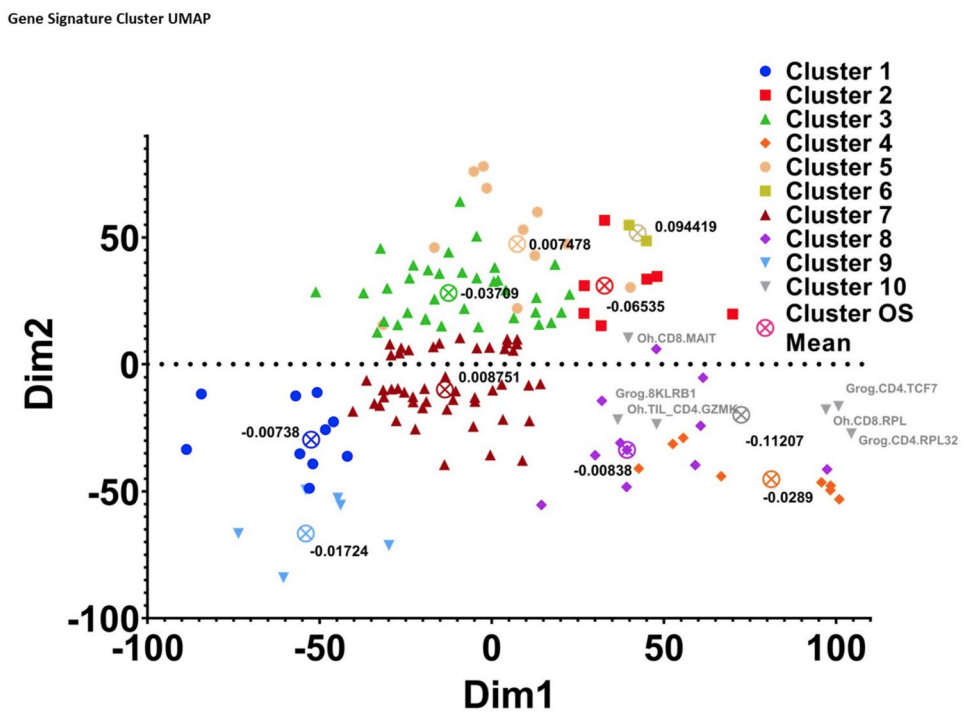
- GSVA-based scoring of curated TIL immune signatures with comparative analyses by tumor type, germ-cell origin, and signature cluster.
- Summary visualizations of signature overlap, prognostic comparisons, and pan-cancer clustering patterns.
Cohesin loading factor NIPBL is essential for MYCN expression and MYCN-driven oncogenic transcription in neuroblastoma
This project examined how the cohesin loading factor NIPBL supports MYCN expression and downstream oncogenic transcriptional programs in neuroblastoma. The analysis focused on defining transcriptional dependencies and clarifying how perturbation of this regulatory axis alters the gene-expression landscape in a MYCN-driven cancer context.
- RNA-seq analysis of NIPBL-depleted neuroblastoma cells to quantify MYCN-associated transcriptional changes.
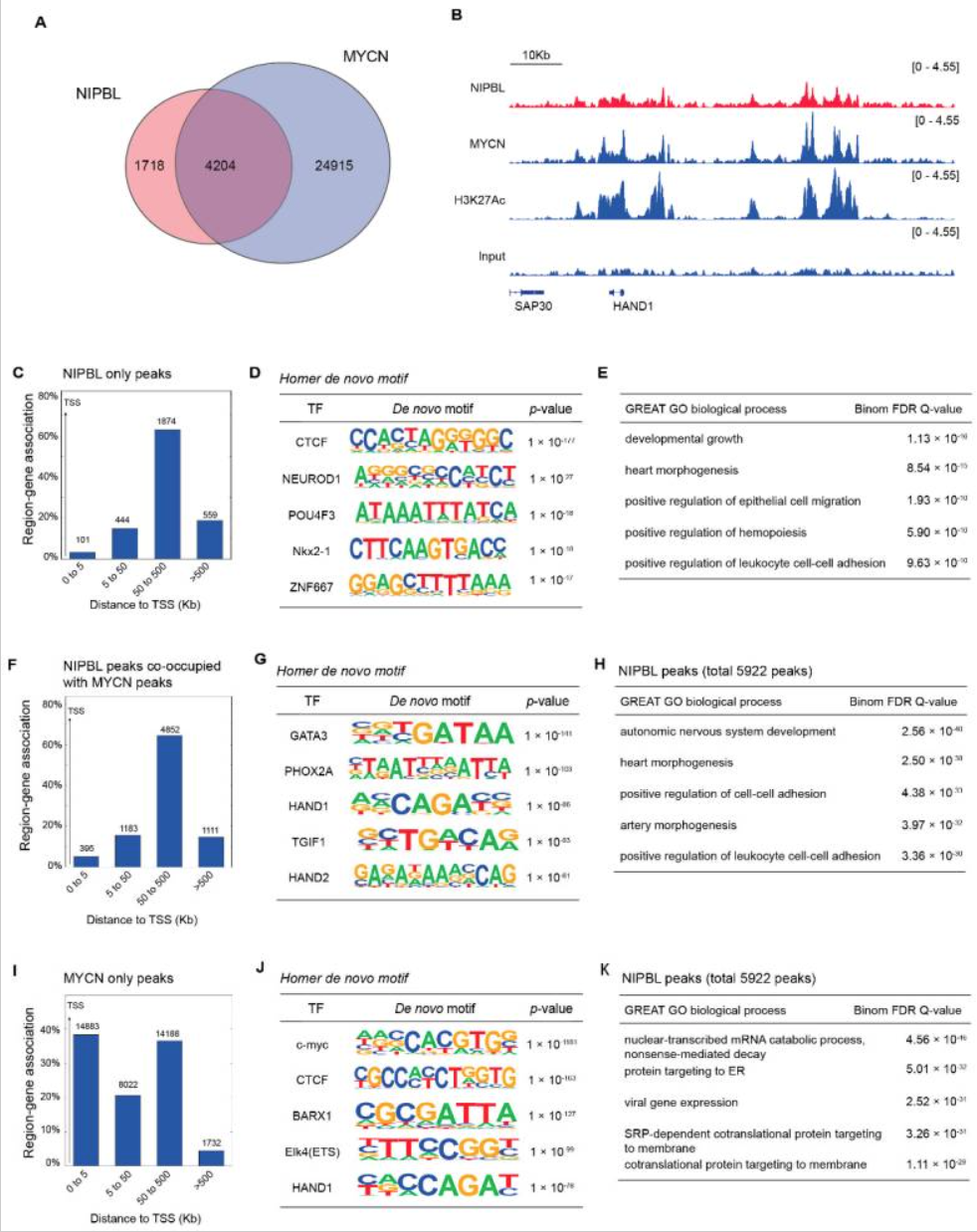
- ChIP-seq integration, peak-overlap analysis, motif enrichment, GREAT annotation, and GSEA of neuronal differentiation programs.
- Integrated genomic figure preparation linking enhancer co-occupancy with transcriptional regulation.